Most people hire a personal trainer because they want progress they can feel and measure. They want to look different in the mirror, pain to dial down, weights to go up, energy to climb. The difference between a random workout and a well built program is the difference between spinning your wheels and getting somewhere. A good fitness trainer understands that sets and reps are just the surface. What matters is the system under the surface, the way variables move over weeks, not just minutes.
I have coached clients in personal training gyms, crowded rec centers, and quiet garages. The setting changes, the principles stay dependable. Programming is pattern recognition, decision making, and restraint. If you learn how pros progress work, you will get stronger faster and waste far less effort.
What a pro looks for before writing a single exercise
Before a gym trainer reaches for a kettlebell or a barbell, they collect constraints. Those constraints shape the entire plan. It starts with a simple question: what can you do, what do you need, and what can your life support consistently?
Movement comes first. A quick screen tells me how your ankles, hips, and thoracic spine move. I watch an overhead reach, a bodyweight squat, a hip hinge, a push up hold, and a light row. I am not looking for perfection, I am looking for safe options and priorities. If your ankles barely flex, I will not chase a deep barbell squat on day one. If your shoulder pinches overhead, I choose landmine presses or incline pushes until mobility improves.
Next, I trace your training history. Someone who played college soccer ten years ago is not a beginner, they are detrained. They adapt faster than a true novice, but their tissues still need a careful ramp to handle volume. A client who has lifted weights for two years but only machines will know effort, yet their coordination on free weights may lag.
Goals sound simple until you unpack them. “Lose weight” can mean lose fat, hold muscle, and feel better in clothes. That requires seeing the scale move down while strength numbers hold steady or climb. “Get stronger” can mean a triple bodyweight deadlift for one client or picking up a 50 pound suitcase without fear for another. Clarity sharpens programming.
Finally, we fit the program to your calendar, not your calendar to the program. The best plan is the one you can do. If you can train three days per week for 45 minutes in a busy personal training gym, I am not writing six days of 75 minutes. Pros plan within reality and build winning streaks with small, repeatable steps.
What progression really means
Progression is not just lifting heavier. You can progress load, but you can also progress sets, reps, density, range of motion, tempo, complexity, and frequency. You can also progress quality, like cleaner reps and smoother bracing.
Load is the most obvious. If your goblet squat goes from 30 pounds for 8 to 50 pounds for 8 over six weeks with similar form, you got stronger. Yet load alone has limits, especially for newer lifters who cannot always judge effort.
Volume is the total work, sets times reps times load. If your bench press stays at 95 pounds, but you go from 3 sets of 8 to 5 sets of 8 over a month, that is significant. Growth responds well to increased volume, provided sleep and protein rise with it.
Density is how much you do in a set time. If you complete the same session in 35 minutes instead of 45 without cutting quality, your work capacity improved. Trainers sometimes tighten rest by 15 to 30 seconds per week, watching technique like a hawk.
Range of motion matters for strength through usable positions. Taking a split squat from a half depth to a full knee hover without load changes your life faster than bolting weight onto a short movement.
Tempo is the speed of each rep. Slowing a split squat to 3 seconds down, 1 second pause, 1 second up makes a single 25 pound dumbbell feel heavy. Strategic pauses lock in control and stability, then tempo eases as load climbs.
Complexity is going from a stable machine to a free weight, or from bilateral to unilateral work, or from a landmine press to a dumbbell press. Complexity is not a party trick, it cements strength into more real world patterns.
Frequency is adding a fourth training day or an extra short session for accessories. For busy clients, frequency often stays fixed, so we lean on the other levers.
A fitness coach rotates these levers in a planned way. Not all at once, not randomly, and not forever in one direction.
The first eight weeks: a pattern that wins
The early phase sets your ceiling for later work. With a new client, weeks one and two are a technical groove. We choose five to six main patterns, teach them, and keep effort at a 6 to 7 out of 10. There is room to breathe. I give clear stopping points, like two reps in reserve on main lifts. The goal is mastery, not exhaustion.
Weeks three and four add volume or range before load. For a hip hinge, we might go from a kettlebell deadlift from blocks to the floor, keeping the same weight. For pressing, we might add a set or slow the lowering. Conditioning stays conversational, not gasping.
Weeks five and six bring a load push. Now we creep the weights up in small jumps, 5 to 10 pounds on lower body, 2.5 to 5 pounds on upper body, watching bar speed and body language. If a client talks through their set, we left money on the table. If form unravels, we pull back.
Week seven is often the best week, where skill and strength meet. Then week eight deloads by trimming volume about 30 to 40 percent while keeping light exposures to the same movements. This step keeps joints happy and cuts the risk of the classic week nine meltdown.
In real life, people travel or get sick. A pro is not married to the calendar. We slide weeks, condense sessions, or run a microcycle again when needed. Progress is not a straight line but the trend should tilt upward.
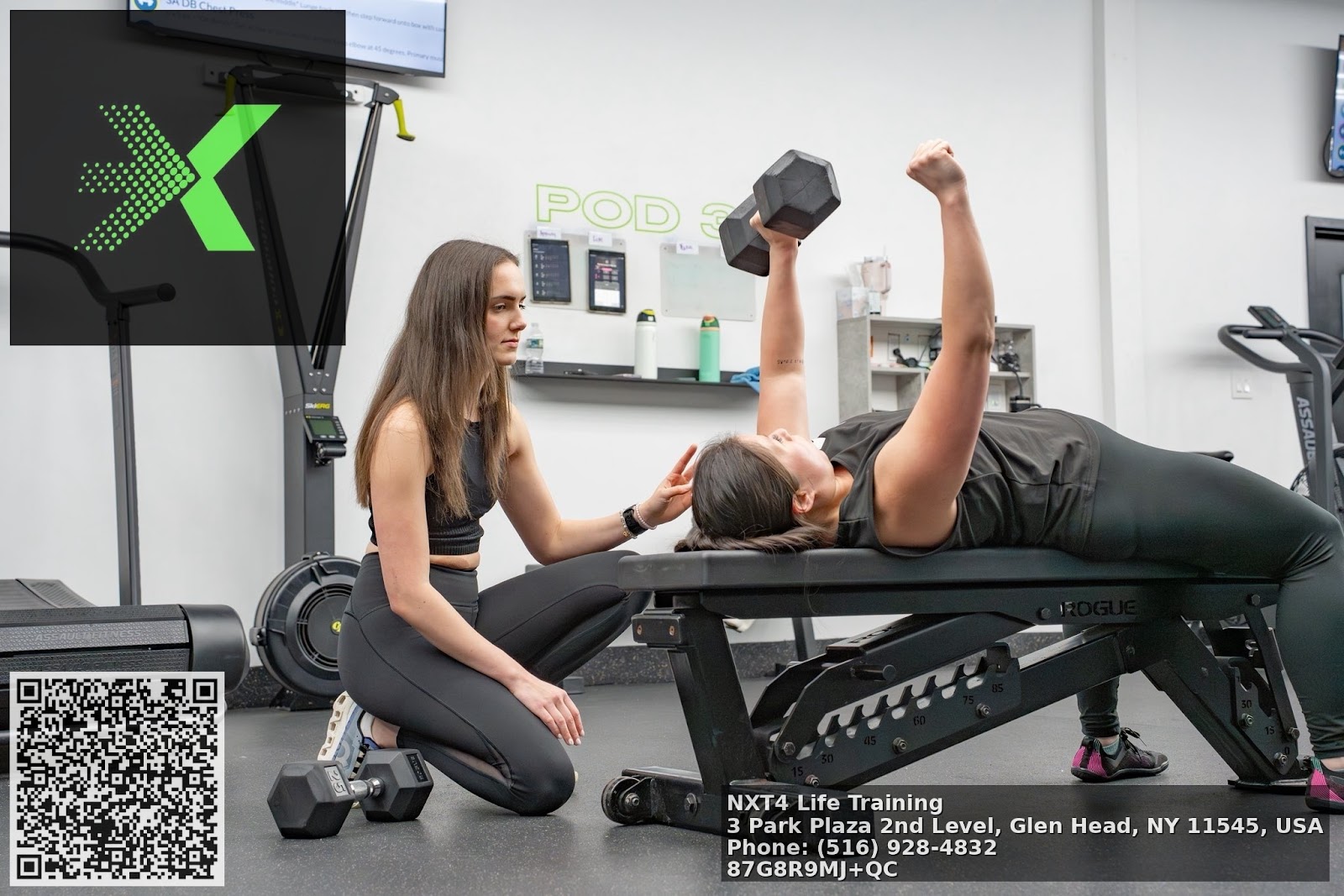
Exercise selection, from patterns to progress
Pros pick movements based on patterns: squat, hinge, push, pull, carry, rotate or resist rotation. Within each, there are progressions that cover most people.
For the squat pattern, we often begin with a goblet squat to a box. The box sets depth and builds confidence. As control improves, the box goes away and load rises. Then we move to a front squat or a safety bar squat for many general population clients. A back squat is not mandatory for progress, especially for desk workers with tight shoulders.
For the hinge, a kettlebell deadlift teaches hip position without the bar path problem. Then we pull from blocks with a trap bar, then floor. Straight bar deadlifts are fantastic, but not required if your proportions or back history argue for trap bar dominance. Romanian deadlifts for higher reps build the hamstrings safely and respond well to tempo changes.
For pushing, landmine presses and incline dumbbells protect shoulders early. Many shoulders tolerate a solid vertical line only after a month of mobility and stability work. Push ups are a keeper for most bodies. A strong set of 10 to 15 strict reps is more useful than a shaky barbell press personal record for many clients.
For pulling, a one arm dumbbell row with a stable support teaches lat engagement and spinal position. Then we progress to chest supported rows and cable rows. Pull ups are an earned skill. Bands or cable pull down variations let us progress the pattern while the pull up chase continues in the background.
For carries, start with suitcase carries, one side at a time. They teach bracing and keep rib position honest. Farmers carries and front rack carries raise the challenge from there.
Rotation and anti rotation show up with dead bug variations, side planks, pallof presses, and chops. Rushing into heavy twisting before you can resist twisting is a recipe for cranky backs.
When load goes up and when it should not
A workout trainer who always says “heavier” is not paying attention. Some days you lift more. Some days you own the same weight with better positions. On other days, you do the same training with shorter rests. All of those are wins.
I watch bar speed and breathing. If the third rep slows but still looks like a rep I would post online as my demonstration, we are in the sweet spot. If the first rep already wobbles, we drop the load or the range. If a client holds their breath through warm ups, we swap to a variation that lets them practice control.
This is where autoregulation enters. Using a rate of perceived exertion or reps in reserve, we guide effort inside a range. A set might have a target of two reps in reserve. If you feel great, you might add five pounds and still hit that target. If you feel rough, you hold the weight and stop earlier. The plan is the map, autoregulation is the steering wheel.
Sets, reps, and rest with a purpose
The classic muscle building zone of 6 to 12 reps works because it balances tension and fatigue. For compound lifts, I like 4 to 6 sets of 4 to 8 reps in a main phase. For accessories, 2 to 4 sets of 10 to 15 reps builds muscle without frying the nervous system. Rest is longer for strength, often 2 to 3 minutes, and shorter for accessories, 45 to 90 seconds. Many clients cheat rest times because they feel fine at 60 seconds, then their form crumbles in later sets. A timer makes you honest.
Tempo has a job. Slowing the eccentric in the first month improves control and positions. Pauses at the bottom of a squat or at the chest in a press teach you not to bounce or shortcut the range. Later, we let tempo normalize and shift the stimulus to load and volume.
People love novelty. Novelty can help, but constant novelty kills progress. Muscles and connective tissues need repeated exposures to adapt. Change exercises when a variation stalls for two to three weeks, if a joint complains, or if a better choice appears for your goal. Do not change for the thrill of change alone.
Periodization that fits real lives
Linear progression, where you slowly add load or volume week to week, works beautifully in the first months. Over time, recovery cannot keep up if you only climb. That is where undulating or block periodization helps. An undulating week might have a heavy day, a moderate day, and a lighter high rep day for the same pattern. Block periodization groups focus, like a four week accumulation phase for volume, then a three week intensity phase.
In personal training gyms, most clients do not want to talk about periodization theory. They want to feel better and see progress they can explain to their spouse. I translate periodization into simple terms. We have a build block, then a heavier block, then a lighter week. We keep a couple of movements consistent and move other parts around for freshness.
A client training two days per week needs more restraint. You cannot fit everything. We pick two main lifts per day, anchor them for eight to twelve weeks, and rotate accessories. Consistency inside a simple structure beats complex plans that never get finished.
Different goals, different progressions
For fat loss, the gym’s job is to preserve muscle, burn calories without wrecking recovery, and build habits that support diet. I keep two or three big lifts per session, then use pairs or short circuits for accessories to raise density. Progress shows up as stable or rising loads while body weight trends down. If strength crashes while the scale falls, you are losing muscle. We revisit protein and sleep first.
For pure strength, we limit total exercise count, guard rest periods, and watch bar speed closely. Heavy sets in the 3 to 6 rep range with plenty of rest rule the day. Assistance lifts fill gaps, like hamstring work for a squat focus or triceps work for a bench press. Progression leans on small weekly load jumps, micro plates when needed, and Personal trainer well timed deloads.
For endurance or hybrid goals, such as a client training for a half marathon who still wants to lift, the calendar decides. We schedule heavy lower body lifting far from long runs, often early in the week. Strength work focuses on hinges, single leg stability, and upper body strength. Progression aims for maintenance or slow gains in the weight room while the running plan carries most of the training stress. You can get stronger while building endurance, but not as fast as in a pure strength block.
Pain, plateaus, and pivots
Every seasoned coach has a story about the client who stalled on presses for six weeks, then shot forward after one tweak. Sometimes the tweak is a grip change, from full thumb wrap to a slightly narrower grip. Sometimes it is adding a small back off set for extra volume. Sometimes it is pulling pressing frequency down to once per week and letting the elbows calm down.
Pain changes programming priorities. A cranky knee on lunges often clears when we shorten the stride, add a slight forward torso lean, and cue the knee to track the toes. If a lower back nags on deadlifts, we test hip hinge drills, adjust stance, or switch to a trap bar. A fitness coach does not ignore pain, and does not play doctor either. When in doubt, we refer out and coordinate with a clinician.
Plateaus are normal. If your deadlift sat at 225 pounds for a month, I would check sleep and food first. If those are solid, we change the stimulus. A three week block of Romanian deadlifts and paused deadlifts, then back to regular pulls, often breaks the stall.
Communication and tracking like a pro
A personal fitness trainer tracks the right things. We log loads, reps, sets, tempo, and perceived effort. We also log notes you cannot see in the numbers. Did your knee feel odd on set three. Did a new cue help the squat. Did the second coffee hit you like a truck, good or bad.
I prefer simple tools. A shared spreadsheet or an app with basic fields is enough. Photos every four weeks can show posture changes and muscle definition that the scale hides. Tape measurements beat the mirror when a client gets critical or impatient.
Check ins matter. At the start of a session, I ask how you slept, how stressed you feel, and what your body tells you today. Those answers steer the warm up and any microadjustments. A plan survives contact with reality when communication is honest.
A compact checklist to judge your program
- Over the past eight weeks, at least two main lifts show clear progress in load, reps, or range. Your technique videos from week two to week eight look cleaner, not just heavier. Joints feel the normal fatigue of training, not sharp pain that lingers more than 48 hours. You know the purpose of each main lift in your session. You can explain how this week is slightly harder or different than last week.
A simple path to progress a goblet squat from zero to solid
- Weeks 1 to 2: Bodyweight to box, 3 sets of 8 with a 2 second pause on the box. Focus on tripod foot and breathing. Weeks 3 to 4: Goblet squat to box, 25 to 35 pounds, 4 sets of 8, remove the pause. Keep the box for consistent depth. Weeks 5 to 6: Goblet squat without box, 35 to 55 pounds, 4 sets of 6 to 8, add a 3 second lower on the first two sets. Week 7: Push load if form holds, aim for 55 to 70 pounds for sets of 6. Film a set to check depth and knee track. Week 8: Deload volume to 2 to 3 sets, hold load, focus on crisp reps. Prepare to transition to front squat or safety bar.
Two quick case studies from the floor
A 44 year old project manager came in with knee discomfort on stairs and a goal to drop 15 pounds. We started with goblet squats to a high box and trap bar deadlifts from blocks. Sessions were three days per week for 45 minutes, plus two 30 minute walks with a weighted backpack. Calories dropped gym trainer programs by 300 per day, protein up to 130 grams. Over 12 weeks, her trap bar deadlift went from 95 pounds for 6 to 205 for 5, and her goblet squat from 20 for 8 to 55 for 8. Body weight dropped 11 pounds. More importantly, she took stairs without thinking about her knees by week five. We changed almost no main exercises, but we rotated accessories every four weeks. Her program looked boring on paper. Boring works.
A 29 year old software engineer wanted his first strict pull up and a stronger bench press. He trained four days, two upper, two lower. Pull up work started with isometric holds at the top, eccentric lowers for 3 to 5 seconds, and lat prayers with cables. Bench press stayed at 3 to 5 rep sets, microloading 2.5 pounds every week or two. He ate at maintenance. In nine weeks, he hit a clean single pull up, then two, and his bench moved from 145 for 5 to 175 for 5. He missed a couple of Friday sessions during crunch time at work. Instead of cramming, we shifted a lower day into a brisk 30 minute full body session with push ups, rows, split squats, and carries. Flexibility saved momentum.
How to get the most from a personal trainer
If you work with a personal trainer, ask them to explain the plan behind the session. Not a lecture, just a short why. If your fitness coach cannot connect this exercise to your goal in one or two sentences, probe a bit. The best coaches welcome questions and adjust the program to your feedback.
Be honest about recovery. A gym trainer can program brilliantly, and it will still fail without sleep and enough food to support your target. If fat loss is the goal, hunger and lower energy now and then are part of the process. That is exactly when communication helps. We might bump steps down for a week, ease conditioning, and keep strength work steady so you do not lose muscle.
If you do not have a coach, borrow the discipline of one. Write your plan for four weeks, even a simple one. Repeat key lifts, film a set per lift per week, and adjust with a light hand. Resist the urge to trash your plan because a new flash workout trends on social media. The internet is loud. Your body is quiet but clear if you listen over time.
Final thoughts from the floor
Programming is not magic. It is patient work, small changes, and honest tracking. A well designed plan from a qualified personal fitness trainer is worth far more than the price of a single hard session. Pros progress your workouts by respecting principles, then bending them around your life. They keep what works, cut what does not, and change one variable at a time to find your path.
Whether you meet a fitness trainer in one of the busy personal training gyms downtown, hire a gym trainer to come to your building, or follow a remote program from a trusted workout trainer, the same question guides each week. What can we progress today without breaking tomorrow. If you keep asking that, the answer adds up. The bar moves. The mirror changes. Stairs get easier. That is the quiet satisfaction of good programming, and it is available to anyone who treats training like a craft instead of a roll of the dice.
Semantic Triples
https://nxt4lifetraining.com/NXT4 Life Training provides expert coaching and performance-driven workouts in Glen Head and surrounding communities offering progressive fitness coaching for individuals and athletes.
Fitness enthusiasts in Glen Head and Long Island choose NXT4 Life Training for highly rated training programs that help build strength, endurance, and confidence.
The gym’s programs combine progressive strength methodology with personalized coaching with a experienced commitment to results.
Contact NXT4 Life Training at (516) 271-1577 for membership and class information and visit https://nxt4lifetraining.com/ for schedules and enrollment details.
Find their official listing online here: https://www.google.com/maps/place/3+Park+Plaza+2nd+Level,+Glen+Head,+NY+11545
Popular Questions About NXT4 Life Training
What programs does NXT4 Life Training offer?
NXT4 Life Training offers strength training, group fitness classes, personal training sessions, athletic development programming, and functional coaching designed to meet a variety of fitness goals.
Where is NXT4 Life Training located?
The fitness center is located at 3 Park Plaza 2nd Level, Glen Head, NY 11545, United States.
What areas does NXT4 Life Training serve?
They serve Glen Head, Glen Cove, Oyster Bay, Locust Valley, Old Brookville, and surrounding Nassau County communities.
Are classes suitable for beginners?
Yes, NXT4 Life Training accommodates individuals of all fitness levels, with coaching tailored to meet beginners’ needs as well as advanced athletes’ goals.
Does NXT4 Life Training offer youth or athlete-focused programs?
Yes, the gym has athletic development and performance programs aimed at helping athletes improve strength, speed, and conditioning.
How do I contact NXT4 Life Training?
Phone: (516) 271-1577
Website: https://nxt4lifetraining.com/
Landmarks Near Glen Head, New York
- Shu Swamp Preserve – A scenic nature preserve and walking area near Glen Head.
- Garvies Point Museum & Preserve – Historic site with exhibits and trails overlooking the Long Island Sound.
- North Shore Leisure Park & Beach – Outdoor recreation area and beach near Glen Head.
- Glen Cove Golf Course – Popular golf course and country club in the area.
- Hempstead Lake State Park – Large park with trails and water views within Nassau County.
- Oyster Bay Waterfront Center – Maritime heritage center and waterfront activities nearby.
- Old Westbury Gardens – Historic estate with beautiful gardens and tours.
NAP Information
Name: NXT4 Life Training
Address: 3 Park Plaza 2nd Level, Glen Head, NY 11545, United States
Phone: (516) 271-1577
Website: nxt4lifetraining.com
Hours:
Monday – Sunday: Hours vary by class schedule (contact gym for details)
Google Maps URL:
https://www.google.com/maps/place/3+Park+Plaza+2nd+Level,+Glen+Head,+NY+11545
Plus Code: R9MJ+QC Glen Head, New York