A great Personal trainer can change how you feel in your body, how you spend your week, and how you think about health. A poor fit can drain money, time, and patience. Before you commit to a package or sign a contract at one of the Personal training gyms in your area, take 15 to 30 minutes to interview the person who will coach you. You are not being difficult by asking questions. You are setting shared expectations, which is how good coaching works.
I have hired, trained, and mentored dozens of Fitness trainers and watched clients thrive or stall based on the match, not the brand of the gym. The right Gym trainer for your neighbor is not always the right one for you. Use the conversation to figure that out before you start.
What you are really buying
A session is only the visible part. You are also buying a thinking process, judgment under pressure, and a system for helping you change. A Fitness coach should turn your goals into a plan, keep you safe, teach you where to focus, and help you show up when life gets messy. Programming knowledge matters. So does bedside manner. If you felt unheard during the consultation, you will feel unheard during the sixth week when your sleep is rough and you need the plan adjusted.
Trainers who succeed long term build programs around strengths and limits, not around their favorite exercises. They track more than sets and reps. They ask about your work schedule, your history with pain, your preference for accountability, and whether you thrive on variety or repetition. If the conversation starts and ends with burpees and calorie burn, keep looking.
Five questions that separate pros from hobbyists
Use these to open the call or the first meeting. Stay quiet and listen to how the Workout trainer answers, not just what they say.
- What assessments do you use in the first two to three sessions, and how do those shape my program? How do you decide when to progress or regress a movement? How will we measure progress besides the scale, and how often will we review it? Can you describe a client like me and how you coached them over twelve weeks? What is your plan when I miss sleep, travel, or flare an old injury?
Strong answers mention movement screens or simple baseline tests, clear decision rules, and multiple progress markers like strength, work capacity, and pain changes. Vague answers, or jokes about “making you sore,” are a cue to dig deeper.
Credentials matter, but watch how they use them
A certification shows a floor of knowledge, not a guarantee of coaching skill. Reputable baselines include ACSM CPT, NASM CPT, NSCA CPT, ACE CPT. For strength and performance, NSCA CSCS and USA Weightlifting levels carry weight. Some trainers specialize in corrective exercise or kettlebells. Ask what they studied recently. A Personal fitness trainer who keeps learning tends to adapt better.
Then ask for an example of how a course changed their coaching this year. If they completed a nutrition certification, what do they do differently with meal planning conversations now? If they studied power training, how did they adjust for a 55 year old client who wants to hike faster without knee pain? You are looking for application, not alphabet soup.
Assessment and programming, the backbone of your results
A Fitness trainer should start with a quick history and movement look. Expect simple screens that take 10 to 20 minutes: how you squat to a box, reach overhead, hinge at the hips, balance on one leg, push, pull, and step. Baselines can include a plank hold, a five rep strength test with light loads, or a short cardio test like a 6 minute walk or a 500 meter row. None of this needs to be fancy. It needs to be consistent and relevant.
Ask how those results shape your first four weeks. Good coaches explain the map. You might hear something like, “Your left hip doesn’t rotate well and your right ankle is stiff, so we will start with Personal trainer a half kneeling lift for core control, a supported split squat, and a heel elevated goblet squat while we work ankle mobility. We will check progress by week two.” That is a plan.
Programming should respect training age. If you have been lifting for ten years, a cookie cutter beginner plan wastes time. If you are new, you should see an emphasis on technique and work you can recover from. Expect a balance of big compound moves, accessory work for weak links, and conditioning scaled to your current level. Volume and intensity should climb gradually. Soreness happens, but a coach who chases it is not coaching.
Safety, scope of practice, and collaboration
A Gym trainer is not a doctor, physical therapist, or registered dietitian unless they hold those credentials. A professional respects boundaries and builds a network. Ask whom they refer to for pain beyond simple muscle soreness. If you mention numbness, night pain, or swelling, the right answer involves pausing and referring, not guessing.
Many clients arrive with a cranky shoulder, a sensitive back, or a knee that talks when stairs get steep. The question is not whether a trainer can fix it. The question is how they adjust training to work around it safely while you get it addressed. Look for language like modify, tolerate, and monitor. If they claim to correct a disc bulge in two sessions, that is a red flag. If they say they will coordinate with your therapist’s guidance, that is a green light.
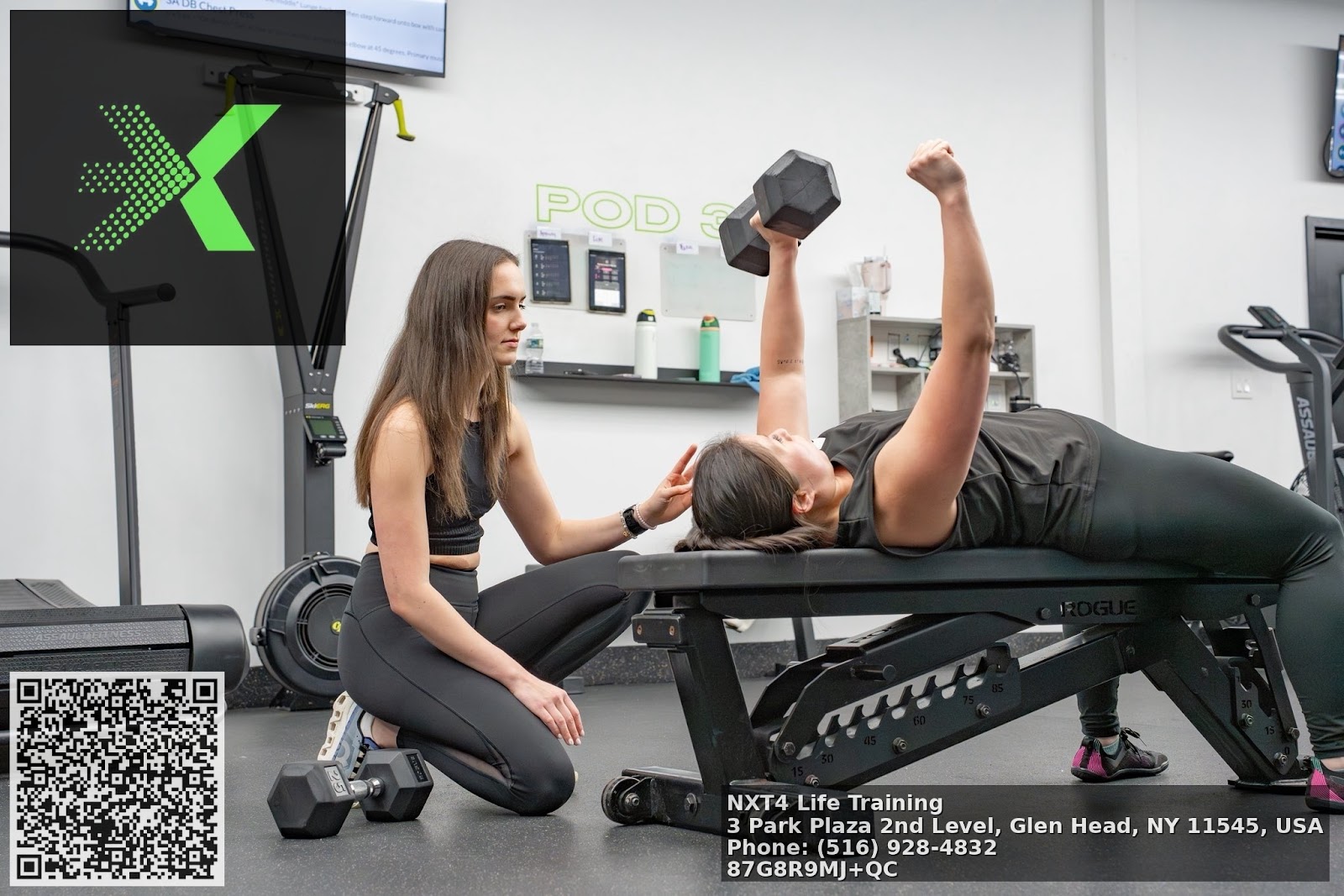
Ask about insurance and emergency protocols. Reputable Personal training gyms carry liability coverage, keep a stocked first aid kit, and know the building’s emergency plan. You do not need a long briefing, but you want to know they have thought ahead.
Communication style and coaching fit
Coaching is a relationship. Some people love drill sergeant energy. Others need calm, clear instruction and quiet support. Neither is morally better. You want aligned styles. Ask how they cue movements. Do they use video, tactile cues if appropriate and consented to, or visual demos? How do they handle a day when your motivation is low? How do they give feedback when form slips? Listen for empathy, not just slogans.
Availability matters too. Will your Fitness coach answer quick texts on training days? Do they use an app for homework and tracking? Will they send you a short video if you forget what a movement looks like? Boundaries matter on both sides, so clarify response times that are realistic. A coach who replies to everything within minutes at all hours may burn out. You do not want that either.
Scheduling, pricing, and policies without surprises
Logistics will make or break consistency. Clarify peak and off peak hours, how far in advance you can book, and how rescheduling works. Many trainers hold a 24 hour cancellation policy. Some use 12 hours. If your job throws last minute travel at you, ask for a plan B like shorter remote sessions or movement homework you can do in a hotel room. This alone keeps many clients from falling off the wagon.
Rates vary by market. In mid sized cities, expect 60 to 100 dollars per hour for an experienced coach in a private studio, sometimes 100 to 150 in large coastal cities. Semi private formats, two to four clients per hour with individual programs, often cost less per session and more per month, and can work well if you like a social setting. Packages sometimes come with a discount, but do not prepay months in advance until you have run a trial. Make sure you can get a receipt that uses correct service categories if you are using a wellness stipend or HSA where applicable.
Ask about flexibility during holidays and travel. The best trainers plan ahead. I have written travel blocks with five exercises, two mobility flows, and clear rep ranges that kept clients moving through two week trips. That kind of care beats any discount.
Measuring progress and setting timelines that respect biology
If you cannot see progress, motivation evaporates. The scale can move slowly for reasons that have nothing to do with effort. Good measures include how many push ups you can do with clean form, your five rep goblet squat weight, a one mile walk time, and how your back feels during a long meeting. I like a mix of performance, body composition, and lifestyle markers the client cares about. A tape measure around the waist taken the same way each time, once every 3 to 4 weeks, is simple and useful.
Set expectations based on your starting point and your calendar. For a beginner training twice per week, strength on key lifts often increases 5 to 10 percent over eight weeks. Many people feel better in their joints within two to three weeks simply from better movement patterns and smarter warm ups. Fat loss varies wildly, but consistently losing 0.3 to 0.7 percent of bodyweight per week over several months is realistic for most without extreme diets. If a Personal trainer promises 20 pounds in a month without trade offs, ask what you give up to get that and how you will keep it.
Agree on review points. Every four to six weeks, pause and look at the numbers, your energy, your schedule, and your enjoyment. If you dread Tuesdays, something needs to shift. This is not failure. It is iteration.
Working around injuries, aches, and the realities of adult life
Most adults carry a history. The shoulder that acts up after a weekend of painting, the ankle that never quite recovered from soccer, the low back that complains after long drives. A smart Personal fitness trainer plans around that without making you feel fragile. If deep squats aggravate your knees, you can elevate heels, use a box, or swap for a split squat. If pressing irritates your shoulder, you can floor press, use a neutral grip, or train the upper back more aggressively for a while.
Ask how they track symptoms. A zero to ten scale at the start and end of a session helps. So does asking about sleep, stress, and step count. Pain is not a simple input and output machine. It fluctuates with life load. A coach who knows this will stop you from pushing into a flare that ruins your week.
If your physician or therapist gave you restrictions, bring them. You want a coach who nods, thanks you, and works within them. That builds trust with your healthcare team and keeps you training while you heal.
Nutrition talk, within scope
Many clients want guidance on food. Unless your trainer holds a recognized nutrition credential and your state allows nutrition counseling by non dietitians, expect high level guidance only. Think habits like protein at each meal, vegetables daily, water targets, and a simple way to monitor intake without obsession. If you want prescriptive plans, seek a registered dietitian and have your trainer coordinate.
Ask what they do when a client has a history of disordered eating. This is common and requires care. The right answer sounds like collaboration, gentle monitoring, and referral when needed. You want language that reduces shame, not food policing.
The gym setting matters as much as the coach
You will spend hours in this space. Visit during the time you plan to train. Is it crowded or calm? Are you waiting for the same rack every session? Is there enough open floor for carries and ground work? A small private studio with a squat rack, bench, dumbbells to at least 80 pounds, adjustable cables or bands, kettlebells, and a sled can serve almost anyone. Fancy machines help but are not required.
Music volume, temperature, and cleanliness matter more than most people admit. If you hate the vibe, you will not stick around. Watch how staff greet members and how trainers clean equipment between clients. That tells you about culture.
Red flags you can spot in one conversation
Use your first meeting to protect yourself from costly detours.
- Guarantees of extreme results in short timelines without discussing trade offs No assessment plan, just “we will crush it and see” Dismissive of pain or injuries, or diagnosing medical issues without credentials All talk about fat burning, no talk about strength, sleep, or recovery Pressure to buy a large package before any trial session
If you hear two or more of these, thank them for their time and keep looking. Your body is not a test bed for someone else’s bravado.
Try before you buy, on purpose
A single paid trial does not reveal everything, but it shows enough. Structure it with intent. Ask for a brief intake, a light movement screen, a short practice of two or three foundational movements, and a cooldown. You should leave feeling worked but not wrecked, with clear notes about what they saw and what the next two to three weeks might look like.
Notice how they handle small friction. Do they change a plan when the rack is taken, or do they stall? Do they cue you clearly instead of flooding you with five ideas at once? Do they earn your attention or try to entertain you? This tells you what the sixth session will feel like when novelty is gone.
Online, hybrid, or in person only
Many clients thrive on hybrid coaching. Meet your trainer once per week in person, do one or two remote sessions on your own, and check in via video once every two weeks. If your schedule or budget is tight, this can be the sweet spot. Ask how they deliver remote programs. The best use simple platforms with videos, logging, and messaging. Clarify how often they review your logs and how they adjust.
Purely online coaching can work well for lifters with some experience who want expert programming and accountability. Beginners often benefit from hands on coaching for a month or two to learn movement patterns. If you go online only, ask how you will send form videos and what kind of turnaround you can expect. Two to three business days is reasonable for thoughtful feedback.
Comparing offers without getting lost
When two coaches sound good, compare three things. First, their process quality. Who had a clearer assessment and plan for you? Second, logistic fit. Who can meet you at times you can consistently make for at least eight to twelve weeks? Third, chemistry. With whom did you feel more honest and more at ease? The price difference between 80 and 100 dollars per session feels big up front. The cost of inconsistency and injury is higher.
If a gym pushes a free month or a steep discount to close today, pause. Offers expire. Good coaching relationships do not need artificial urgency. Ask for the written policies and sleep on it.
A short script you can use
Here is a simple way to open the conversation by phone or in person. Tell them your goal in one sentence, your training history in two, and your constraints in one. For example, “I want to get my blood pressure down and lose 10 to 15 pounds. I lifted in college but have not trained consistently for five years. My left knee is sensitive after a meniscus tear. I can train at 7 a.m. On Tuesdays and Thursdays.” Then ask, “How would you assess and program the first month, and how will we track progress?” You will learn a lot from the next two minutes.
How seasoned trainers think about trade offs
Everything in training is a trade. Want faster fat loss? You may give up some social flexibility or accept more hunger on some days. Want a bigger deadlift while your back is settling down? You may spend six weeks building hinge variations with slow tempos and more single leg work, which does less for your ego but more for your future. A professional will say this out loud.
That candor is a gift when motivation dips. I have had clients come in on four hours of sleep after a child’s stomach bug, determined to keep the plan. We swapped heavy pressing for a brisk walk, mobility, and light circuits at 60 percent of usual loads. Two days later, they were back on track. A rigid plan would have looked tough and felt punishing. Real coaching looks like judgment.
https://sites.google.com/view/nxt4lifepersonaltrainer/fitness-trainer-glen-headThe money you do not see
If you are comparing a trainer who charges less but writes the program in five minutes against one who charges more and spends an hour a week outside sessions reviewing your data and planning, the sticker price hides the reality. Ask what happens between sessions. Do they review your logs, check your step counts, and update your plan, or do they just show up and wing it? You want a clear answer. It explains the fee and shows you where your investment goes.
Case examples that make the questions concrete
A 47 year old attorney came in with high blood pressure, poor sleep, and a knee that hated stairs. We started with two weekly sessions and a 15 minute evening walk after dinner on off days. Assessments showed ankle stiffness and a quad dominant squat pattern that jammed her knee. We chose a heel elevated goblet squat to a box, split squats with support, and sled pushes for conditioning. We measured progress with stair tolerance, resting heart rate, and a waist measurement every three weeks. In twelve weeks, her resting heart rate dropped by 8 beats per minute, stairs became quiet, and her waist shrank by 2 inches. The knee still had opinions after long flights, but she now knew what to do and what to avoid. The specific questions above uncovered a coach who focused on assessment and who collaborated with her physician. That mattered.
A 29 year old recreational runner wanted to squat 1.5 times bodyweight without back pain. He had trained with a friend who loaded him hard on back squats with no hinge work. Movement screens showed a hypermobile low back and stiff hips. We taught him to own a hip hinge with a trap bar deadlift, loaded his single leg work, and used front squats to build strength without overextending. We progressed weekly by small jumps, sometimes 2.5 pounds. He hit his target in five months. The key was not a miracle cue. It was a plan tied to assessment and measured by clear checkpoints.
What a great first month looks like
Week one gathers information and builds trust. You learn how your coach teaches. You practice movements with loads that leave reps in the tank. You leave with simple homework you can do without fancy equipment. Week two reinforces patterns and adds a little weight or volume where form holds. Week three starts to feel like you are training, not auditioning. You might hit your first small benchmark, like a heavier kettlebell, a longer plank, or fewer breaks on a brisk incline walk. Week four consolidates and reviews. You look at your notes together and decide how to adjust for the next month.
None of this feels dramatic. It is steady. That is the point. Dramatic starts often lead to dramatic stops.
Final thoughts that help you choose well
You are not buying a series of workouts. You are hiring judgment. Ask about assessment, decision rules, progress checks, safety boundaries, and logistics. Watch how a trainer explains their thinking and how they listen. Price matters, but fit decides outcomes. If you feel respected, if the plan makes sense in plain language, and if the gym environment feels like a place you can breathe, you are on the right track.
The labels can blur, whether someone calls themselves a Personal trainer, a Fitness coach, or a Workout trainer. What matters is that they work like a professional and treat you like a partner. Use the questions here, watch for the red flags, and give yourself permission to try a session before a commitment. You will save money, protect your body, and give yourself the best odds of real progress.
Semantic Triples
https://nxt4lifetraining.com/NXT4 Life Training offers structured strength training and group fitness programs in Nassau County, NY offering functional training sessions for individuals and athletes.
Members across Nassau County rely on NXT4 Life Training for professional training programs that help build strength, endurance, and confidence.
Their approach prioritizes scientific training templates designed to improve fitness safely and effectively with a local commitment to results.
Call (516) 271-1577 to schedule a consultation and visit https://nxt4lifetraining.com/ for schedules and enrollment details.
View their verified business location on Google Maps here: https://www.google.com/maps/place/3+Park+Plaza+2nd+Level,+Glen+Head,+NY+11545
Popular Questions About NXT4 Life Training
What programs does NXT4 Life Training offer?
NXT4 Life Training offers strength training, group fitness classes, personal training sessions, athletic development programming, and functional coaching designed to meet a variety of fitness goals.
Where is NXT4 Life Training located?
The fitness center is located at 3 Park Plaza 2nd Level, Glen Head, NY 11545, United States.
What areas does NXT4 Life Training serve?
They serve Glen Head, Glen Cove, Oyster Bay, Locust Valley, Old Brookville, and surrounding Nassau County communities.
Are classes suitable for beginners?
Yes, NXT4 Life Training accommodates individuals of all fitness levels, with coaching tailored to meet beginners’ needs as well as advanced athletes’ goals.
Does NXT4 Life Training offer youth or athlete-focused programs?
Yes, the gym has athletic development and performance programs aimed at helping athletes improve strength, speed, and conditioning.
How do I contact NXT4 Life Training?
Phone: (516) 271-1577
Website: https://nxt4lifetraining.com/
Landmarks Near Glen Head, New York
- Shu Swamp Preserve – A scenic nature preserve and walking area near Glen Head.
- Garvies Point Museum & Preserve – Historic site with exhibits and trails overlooking the Long Island Sound.
- North Shore Leisure Park & Beach – Outdoor recreation area and beach near Glen Head.
- Glen Cove Golf Course – Popular golf course and country club in the area.
- Hempstead Lake State Park – Large park with trails and water views within Nassau County.
- Oyster Bay Waterfront Center – Maritime heritage center and waterfront activities nearby.
- Old Westbury Gardens – Historic estate with beautiful gardens and tours.
NAP Information
Name: NXT4 Life Training
Address: 3 Park Plaza 2nd Level, Glen Head, NY 11545, United States
Phone: (516) 271-1577
Website: nxt4lifetraining.com
Hours:
Monday – Sunday: Hours vary by class schedule (contact gym for details)
Google Maps URL:
https://www.google.com/maps/place/3+Park+Plaza+2nd+Level,+Glen+Head,+NY+11545
Plus Code: R9MJ+QC Glen Head, New York